
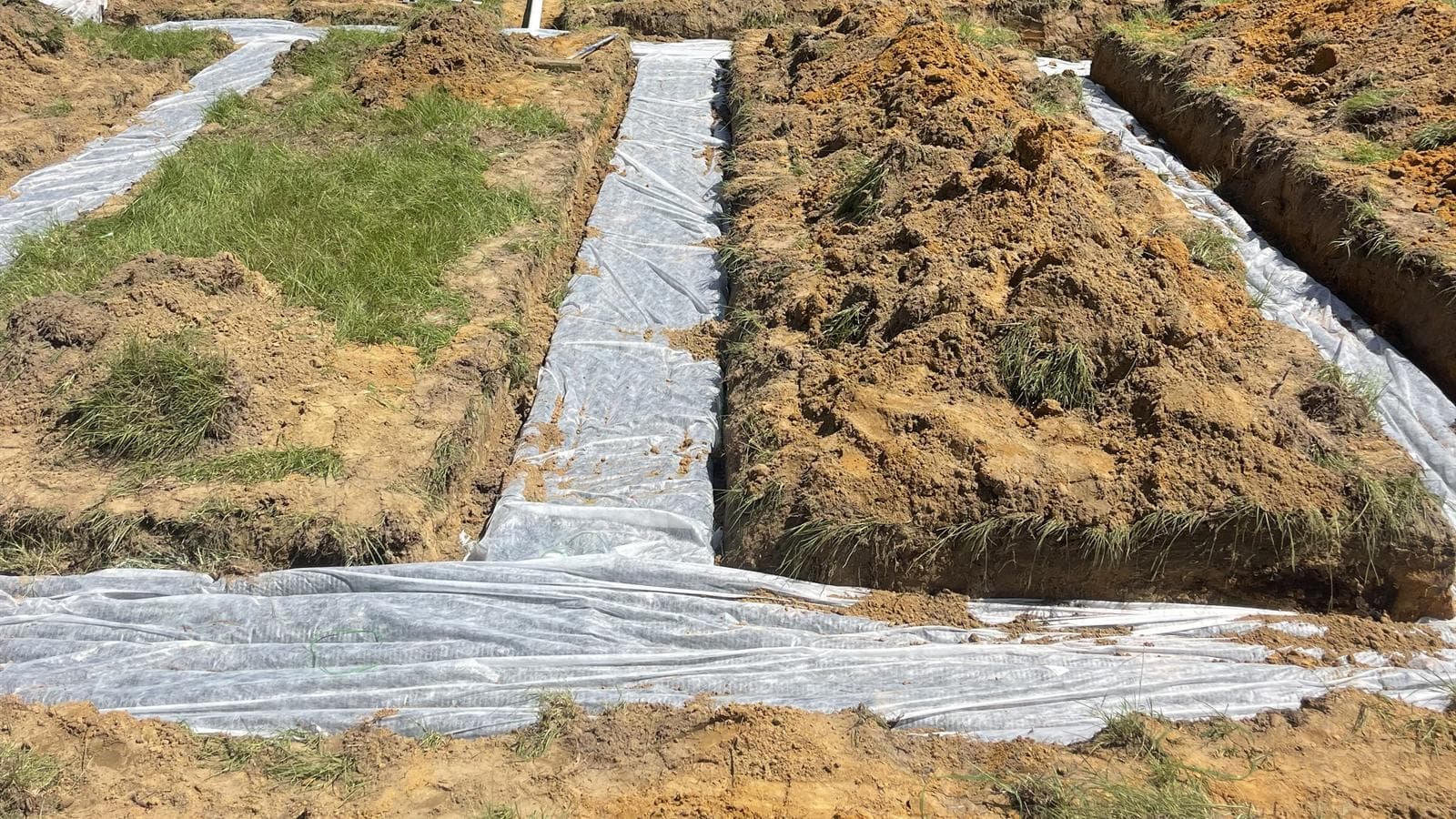
A septic system does its work out of sight, so it is easy to forget about it until a drain backs up or the yard starts to smell. The good news is that most septic problems are preventable. A few steady habits protect the tank, the lines and the drain field, and they help you avoid emergency repairs. If you are new to septic, start with how a septic system works. These tips apply whether you live in town on a large lot, on a family farm, or in a rental home with an older system.
Know What You Have and Where It Is
You cannot look after a system you cannot find. Start by learning where your tank and drain field sit on the property and what type of system you have. If you have a newer home, the paperwork may be with your closing documents. For older properties, the University of Georgia Cooperative Extension notes that county health departments may hold records or maps of permitted systems.
Once you know where things are, mark the tank lids and the edges of the drain field in a simple way you will remember, such as a sketch kept with your house papers. This saves time and digging the next time the tank needs service. If you cannot find the lids, a septic company can locate them for you.
Have the Tank Inspected and Pumped Regularly
Bacteria in the tank break down part of the solid waste, but not all of it. Sludge builds up at the bottom and scum builds up at the top. If the tank is never pumped, those solids eventually spill into the drain field and clog the soil, which can lead to a much bigger repair.
The U.S. Environmental Protection Agency's septic care guidance puts regular inspection and pumping at the top of its list. How often your tank needs attention depends on the size of the tank, how many people live in the home, how much water you use and whether you run a garbage disposal. A septic professional can recommend a schedule that fits your household. If you do not know when the tank was last pumped, have it done and keep the service record so you have a starting point.
A few situations call for a service visit sooner rather than later:
- You have just bought the property and have no service history.
- You are a landlord and tenants have changed.
- You are planning to add a bedroom, a bathroom or a home business.
- You are noticing slow drains or gurgling sounds.
Use Water Wisely
Every drop of water that goes down a drain passes through the tank and into the drain field. When too much water arrives at once, the tank does not have time to separate solids, and the drain field can become saturated.
Simple habits make a real difference:
- Fix leaking faucets and running toilets promptly.
- Spread laundry loads across the week instead of running them all in one day.
- Use water-efficient fixtures and appliances where you can.
- Run the dishwasher and washing machine only when they are full.
Spacing out heavy water use matters most after a long spell of rain, when the ground over the drain field is already wet and cannot take in as much.
Protect the Drain Field
The drain field is the part of the system that treats wastewater in the soil, and it is easy to damage without realizing it. The EPA and UGA Extension both recommend the same basic steps.
Keep Vehicles and Heavy Loads Off
Do not drive, park or store heavy equipment over the tank or the drain field. The weight compacts the soil and can crush pipes. On farms and larger lots, this includes tractors, trailers, livestock feeders and construction equipment.
Plant With Care
Grass is the best cover for a drain field. Trees and shrubs should be kept well away, because their roots seek out moisture and can grow into the lines. UGA Extension's guide to ornamental plantings on septic drain fields explains which plants work, and why vegetable gardens, raised beds, heavy mulch and irrigation do not belong there.
Send Rainwater Elsewhere
Point roof gutters, downspouts and yard drainage away from the drain field. A drain field that is already soaked with runoff cannot absorb wastewater properly. If water pools around your system after storms, proper grading and site work can redirect it.
Avoid Building Over It
Do not pave, pour a slab, build a deck or set a shed over the tank or drain field. Hard surfaces stop the soil from breathing and make future access difficult.
Be Careful What Goes Down the Drain
What you flush and pour has a direct effect on how long your system lasts. Grease, wipes, paper towels and harsh chemicals are some of the most common causes of clogs and early drain field failure. Our guide to what not to flush or pour down the drain covers this in detail, but the short version is to flush only human waste and toilet paper.
It is also worth skipping septic tank additives. The EPA's frequent questions on septic systems explains that a working system already has the bacteria it needs, and some additives can harm the drain field.
Watch for Early Warning Signs
Catching a problem early often means a simpler fix. Call a professional if you notice slow drains throughout the house, gurgling in the pipes, sewage odors outside, wet or spongy ground over the system, or a patch of unusually green grass over the drain field. Do not open the tank yourself, as the gases inside are dangerous.
Get Help From a Local Septic Team
Good habits keep a system healthy, but every tank still needs professional service. Taylor Concrete LLC provides septic tank pumping for homes, farms and businesses, along with septic installation and repair when a system needs more than routine care. We work across our South Georgia service areas. Contact our team to book a visit or ask a question about your system.